Jin's Daily AI Trivia: Why Can’t AI Generate the Correct Malaysian Flag? 🇲🇾
Jin’s Daily AI Trivia: Why Can’t AI Generate the Correct Malaysian Flag? 🇲🇾
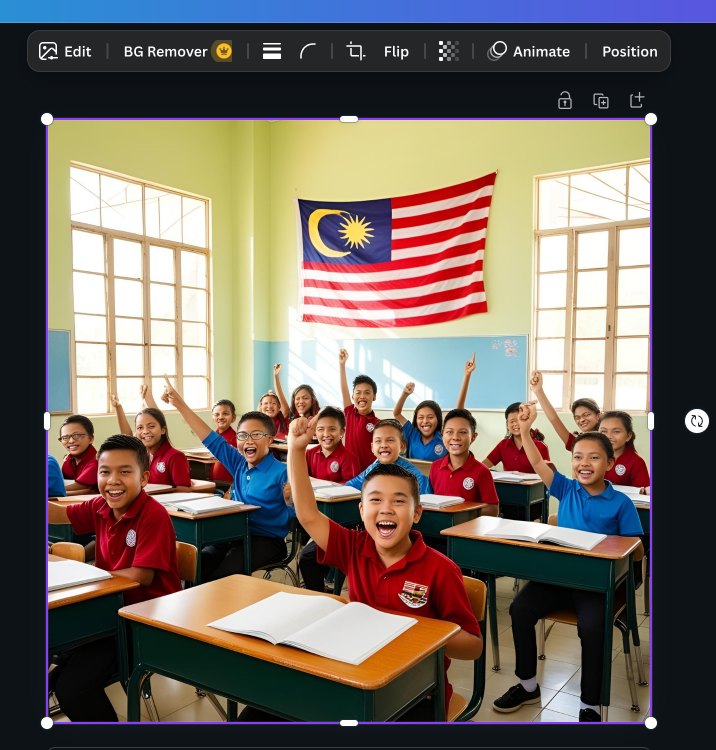
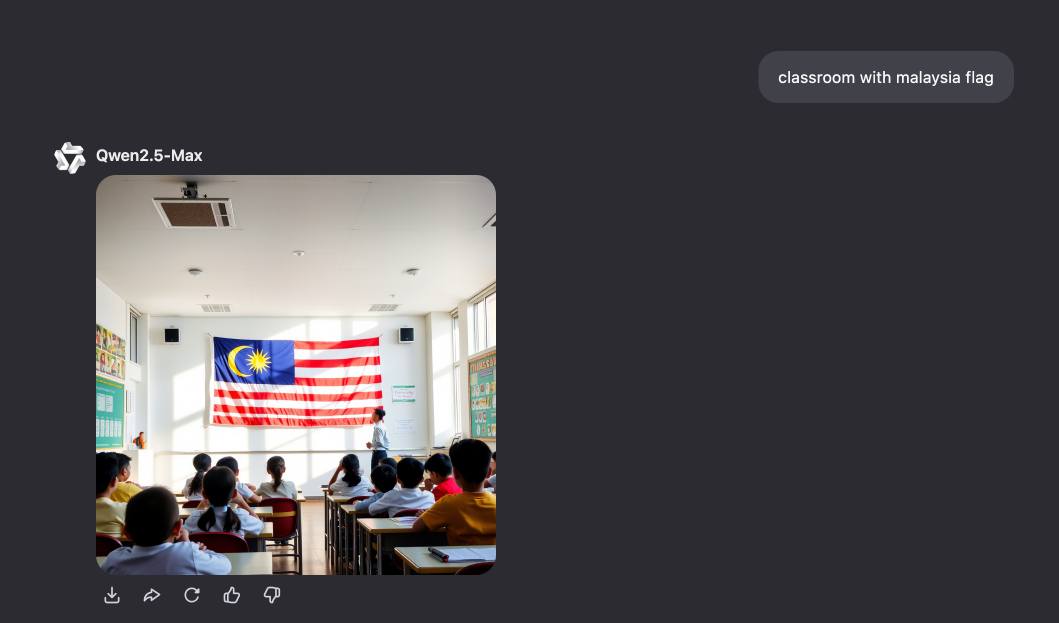
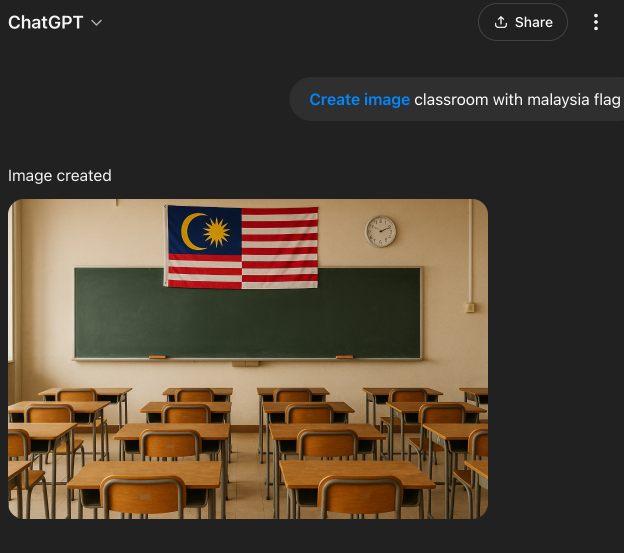
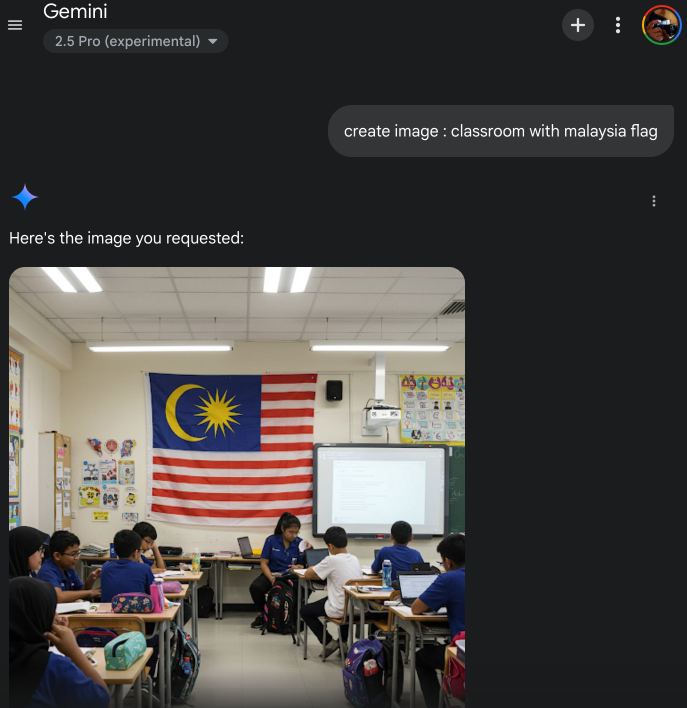
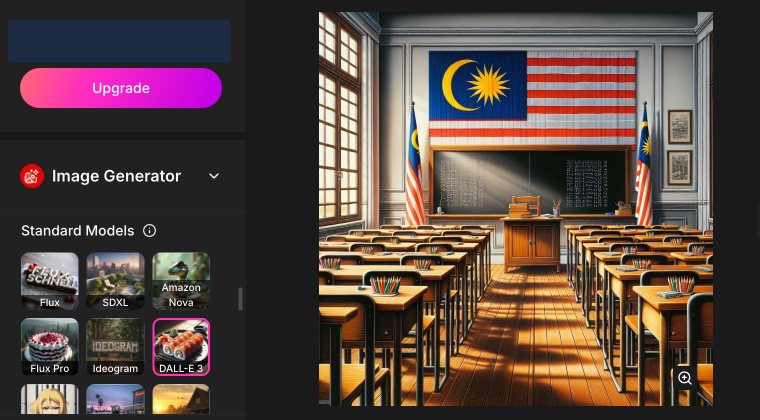
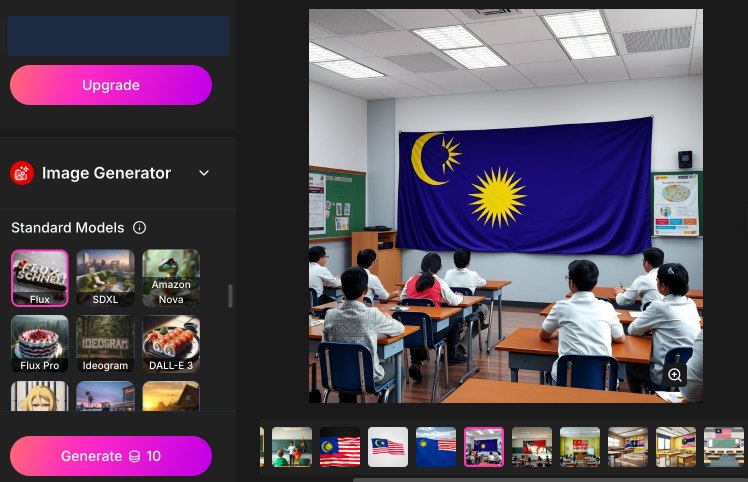
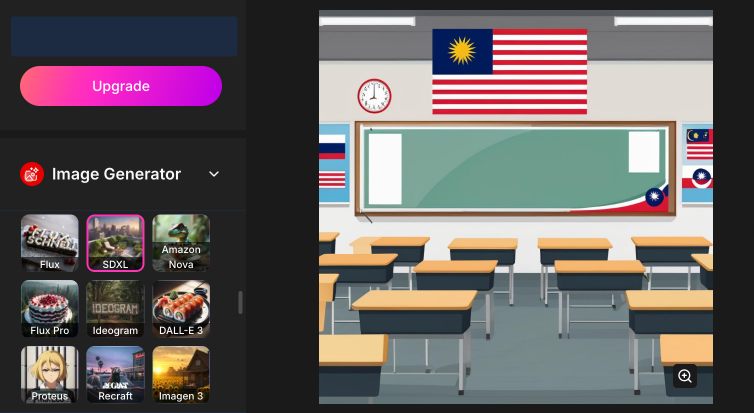
Lately in Malaysia, there’s been quite a buzz online—people are noticing that many AI-generated images in the media feature incorrect versions of our national flag. So… what’s going on?
Here’s the simple truth: Most media outlets and companies subscribe to commercial software or image platforms that give employees access to editing tools and stock image libraries (to avoid copyright issues, of course).
Now, with the rise of AI-generated content, these companies are trying to level up by integrating open-source AI image models like Stable Diffusion or Flux into their services.
But here’s the catch: These open-source models often struggle with specific and symbolic visuals—like national flags. That’s because they’re diffusion models, which are more focused on making the overall image look realistic rather than getting tiny details right. (Remember those early AI images with too many fingers or weird limbs? Yeah… it took a lot of fine-tuning just to teach AI that humans have five fingers 😅)
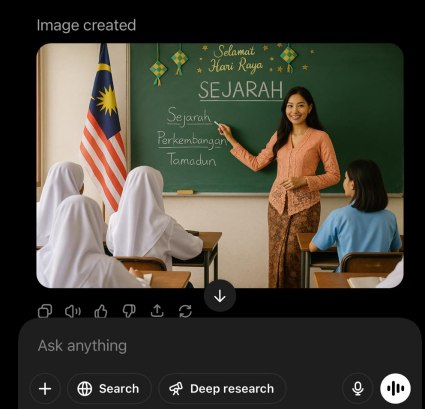
More advanced models—like ChatGPT-4o’s image model (free users get DALL·E 3), Google Imagen 3, or Qwen2.5-Max—make fewer mistakes. Why? Because they have much larger parameter sizes and, in some cases, the ability to web search real-world data (like a correct image of the Malaysian flag from the web).
TL;DR: In the world of AI, the tool you use really matters. Don’t rely on companies that just slap an open-source model into their product and call it a day. Choose tools developed and trained with care—especially when accuracy matters.
Hope you learned something new today! Catch you next time! 😄🇲🇾