Daily Trivia - The Zoom Lens on iPhone 15 Pro Max
Android users have long had the periscopic zoom camera on their phones. Top players like SONY even have an actual optical zoom range periscopic camera, and Huawei pulled off a few cool tricks on their flagship phones too before facing a ban.
So, here comes a question: Did Apple just “reinvent” the periscopic zoom lens again?
Actually, THEY DID.
Wait, let me explain.
Let’s start from the beginning.
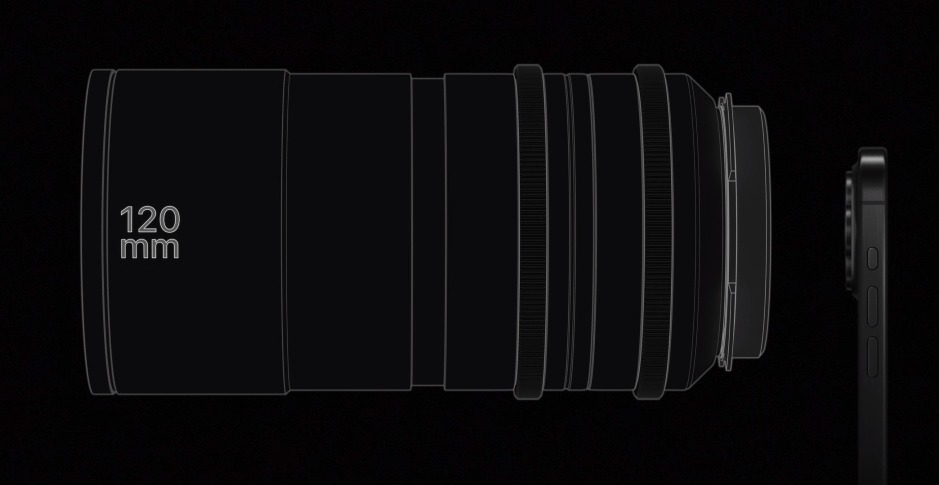
A zoom lens requires a lot of light from a distant object. A lot of light means a big lens, which requires a longer light path to focus on the sensor. You can’t fit a long lens on a phone, so we use a periscopic lens, just like binoculars, to reduce the light path.
So, what is the innovation that Apple introduced?
-
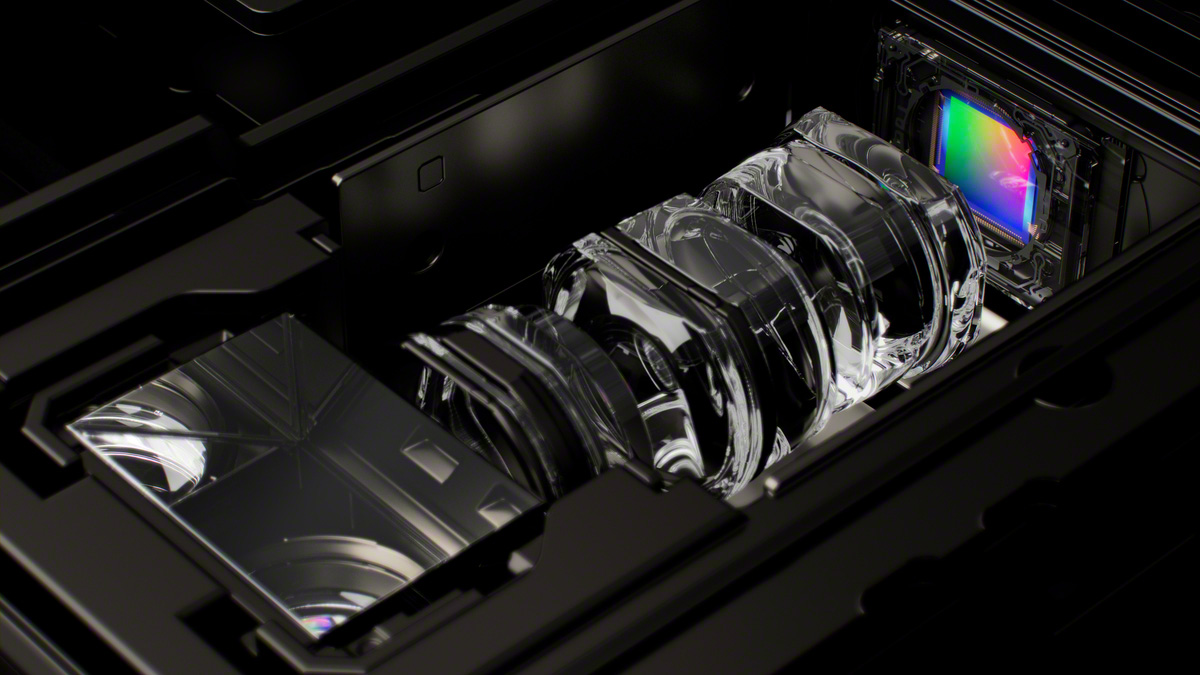
Other competitors use two pieces of 90-degree reflecting mirrors and a bunch of lenses sandwiched in between.
-
The extra lens in between is used for focusing and image stabilization.
-
The light path is still long, and you still need a lot of vertical space in the phone.
-
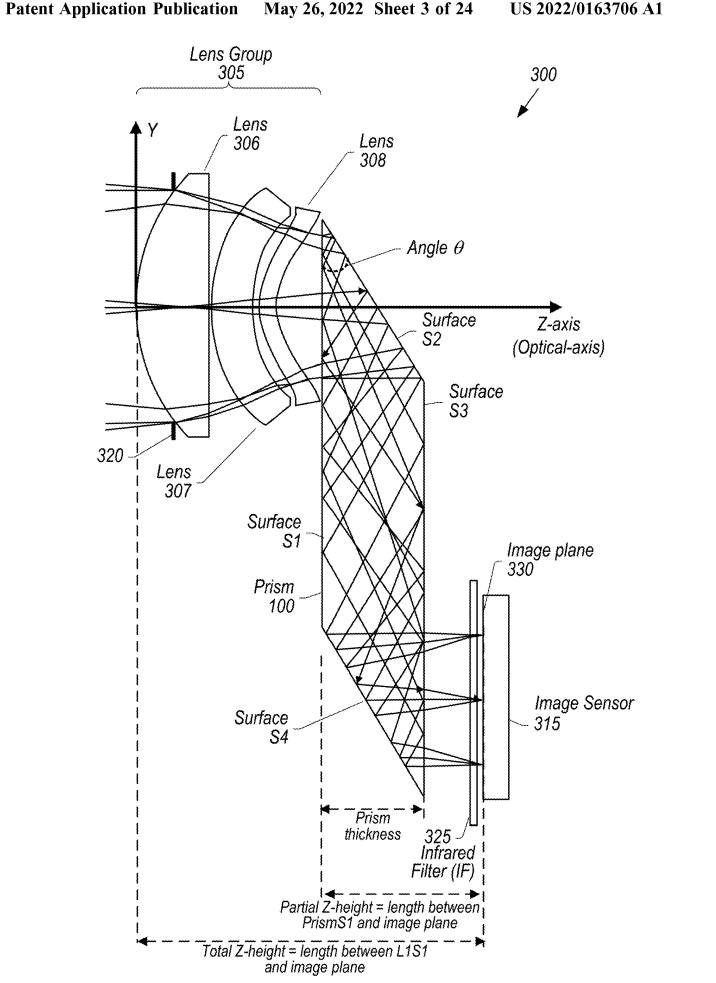
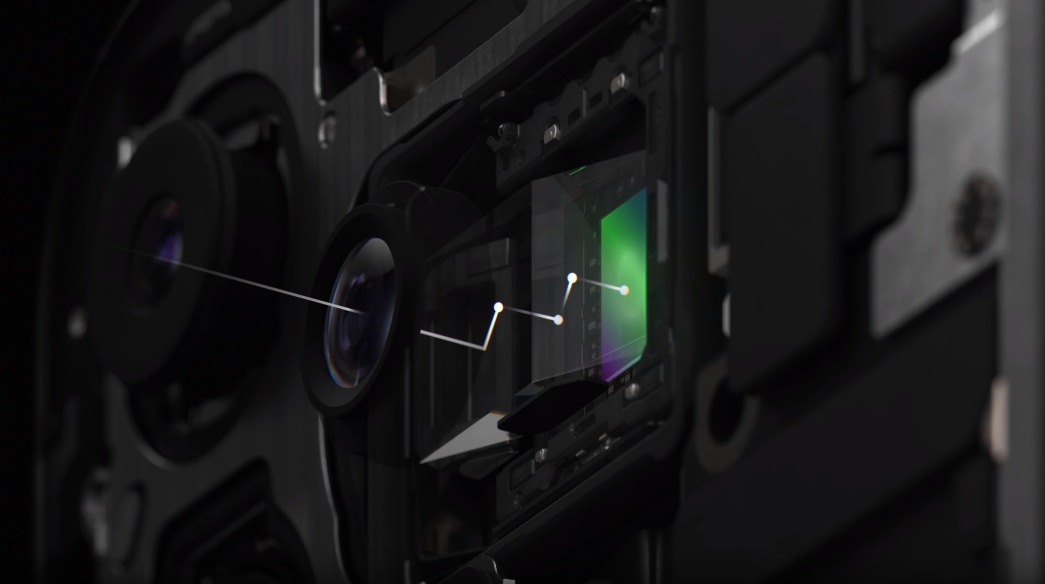
Apple uses a single prism to achieve four-time reflection (2 TIR and 2 AR), greatly reducing the size and length of the zoom module.
-
The prism needs to be super precise because now all four surfaces need to align to the dot, compared to the Android approach, which only aligns one surface.
-
The focus is achieved using sensor shifting, and X/Y axis image stabilization is also done using sensor shifting.
There are many details to explore in the Apple patent filed in May 2022 (https://patentimages.storage.googleapis.com/d9/db/98/56b9e58c2d18e9/US20220163706A1.pdf).
If you search for Apple patents on periscopic lenses, you will find quite a number of patents since 2021. They’ve been trying to do this the Apple way:
Making things simple Making things cheaper
Compared to the Sony Xperia zoom lens, you can see that Apple’s design is much simpler but required a lot of research to get it right. For example, Apple needed to add two cut lines on the prism to prevent full TIR and a total of eight layers of coating on the prism itself.
If you want more daily trivia like this, please comment and let me know :D
每日小知识 - iPhone 15 Pro Max 上的变焦镜头
Android 用户很早就拥有了他们手机上的潜望镜式变焦相机。像索尼这样的顶级厂商甚至拥有一个真正的光学变焦范围潜望镜相机,而在被禁之前,华为也在他们的旗舰手机上做了一些很酷的事情。
所以,这里有一个问题:苹果是否再次“重新发明”了潜望镜式变焦镜头?
实际上,他们做到了。 等等,让我解释一下。
让我们从头开始。
- 变焦镜头需要来自远处物体的大量光线。
- 大量光线意味着大型镜头,需要更长的光路来对焦传感器。
- 你无法在手机上安装一根长镜头,因此我们使用潜望镜式镜头,就像双筒望远镜一样,以减小光路。
那么,苹果引入的创新是什么?
-
其他竞争对手使用两块90度反射镜和一堆镜头夹在中间
-
中间的额外镜片用于对焦和图像稳定。
-
光路仍然很长,你仍然需要手机内部的大量垂直空间。
-
苹果使用单个棱镜进行四次反射(2次全内反射和2次全反射),大大减小了变焦模块的尺寸。
-
由于现在需要使所有四个表面都对齐到一个点,所以棱镜需要非常精确,与只对齐一个表面的 Android 困难得多。
-
对焦是通过传感器位移实现的,X/Y轴图像稳定也是通过传感器位移完成的。
在2022年5月提交的苹果专利文件中有许多细节可以探讨(https://patentimages.storage.googleapis.com/d9/db/98/56b9e58c2d18e9/US20220163706A1.pdf)。
如果你搜索苹果关于潜望镜式镜头的专利,你会发现自2021年以来有相当数量的专利。 他们一直在试图以苹果的方式做这件事:
》简化事物 》降低成本
与索尼Xperia变焦镜头相比,你可以看到苹果的设计更简单,但需要大量研究才能做到这一点。例如,苹果需要在棱镜上添加两条切割线,以防止全内反射,棱镜本身需要涂覆8层涂层。
如果你想要更多这样的每日小知识,请记得关注我。